
Table of Contents
If you’re like me, applying for jobs the traditional way, rewriting resumes, tweaking cover letters, and endlessly scrolling job boards, can feel like an exhausting loop.
But here’s the good news, we don’t have to do it alone anymore. AI could also help us on the job search arena, and if you’re not using these tools, you might be missing out.
Recruiters and hiring managers are already using AI to screen resumes, schedule interviews, and even decide who makes it to the next round.
So why shouldn’t we job seekers use it to benefit us? With the right AI tools for job seekers, we can optimize our profiles, automate applications, prep for interviews, and even build our personal brand.
In this article, I’ll walk you through the tools I’ve personally explored and used to transform my job search. From job search AI tools to LinkedIn optimization and resume crafting, I’ve tested what works and what doesn’t, so you don’t have to.
Takeaways:
- Tools like Resume Worded could assist in refining LinkedIn profiles to be more discoverable by recruiters, while Cleave AI simplifies the creation of engaging content for personal branding, ensuring your digital footprint makes a strong and positive impression.
- Services like aiApply automate the time-consuming task of filling out applications and even personalizing cover letters, so tht we can have more time for more strategic work, such as networking and targeted outreach.
- Tools like Kickresume generate role-specific content, while Teal and Jobscan analyze our resume against job descriptions, providing actionable insights on keywords and formatting to improve the chances of getting noticed by hiring managers.
- Platforms like Final Round AI offer realistic interview simulations tailored to specific roles, and Yoodli provides real-time communication analysis, helping job seekers build confidence and refine the delivery before the actual interview.
Enhancing Your Professional Presence with AI
Optimizing Your LinkedIn Profile
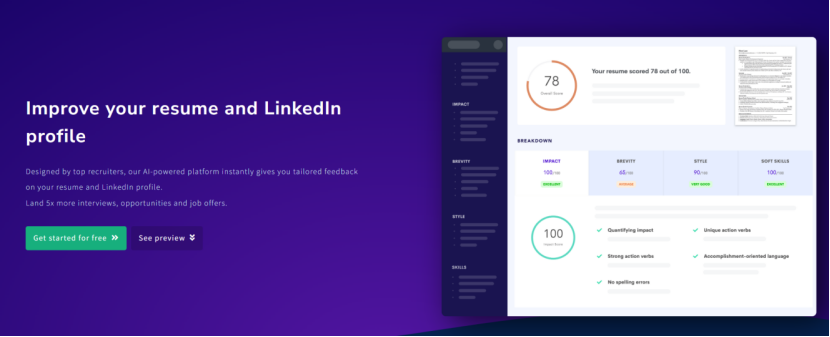
One of the smartest first steps I took was upgrading my LinkedIn profile. I mean, LinkedIn is basically your digital billboard, right? And whether you’re actively applying or passively open to new roles, you want to be discoverable.
I found a free AI tool called Resume Worded that helped me refine my headline, summary, and even skills—making my profile more attractive and search-friendly for recruiters.
Another fantastic tool I came across is Cleave AI, which helps you write engaging LinkedIn posts.
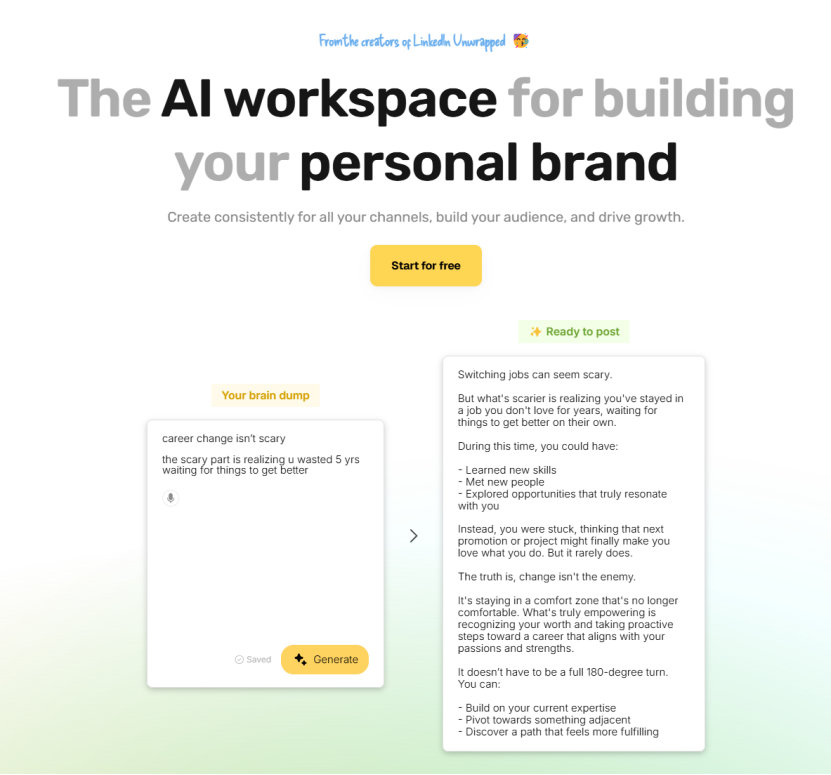
I used it to transform my rough thoughts into polished content, and it even suggested trending industry topics to write about. If building a personal brand feels intimidating, this tool makes it easy and actually kind of fun.
Generating Professional Headshots
Let’s talk headshots. I used to dread this part. I’ve done professional photography before, and I know how pricey and uncomfortable it can be to get a decent photo. That’s why InstaHeadshots was such a game-changer.
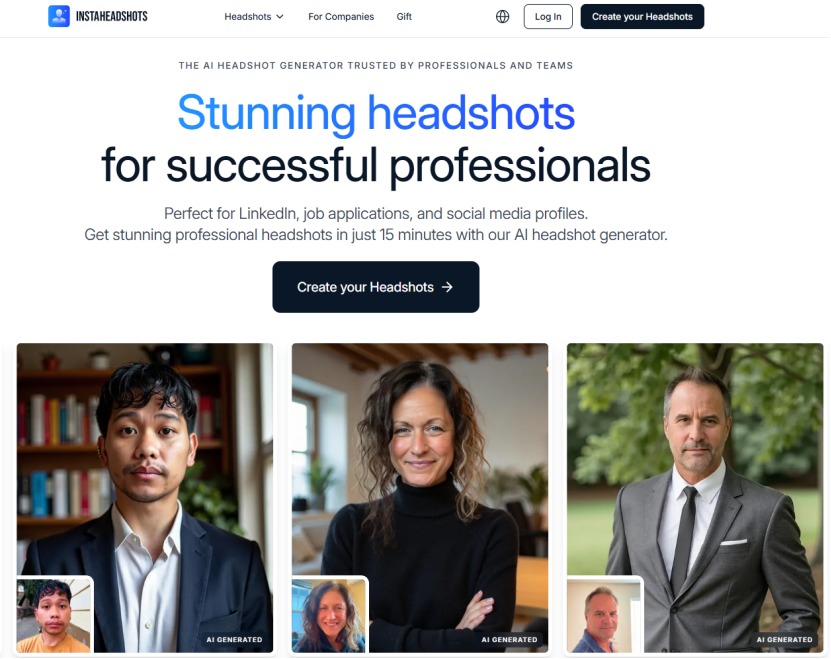
I simply uploaded a few selfies and within an hour, I had a gallery of professional-looking AI-generated headshots that I could use for LinkedIn, my personal website, and more. Honestly, they looked better than some of the real photos I’ve paid for in the past
Streamlining the Job Application Process with AI
Automating Job Applications
Let’s be real—manually applying to dozens (or even hundreds) of jobs is soul-crushing. Uploading your resume only to re-enter the same details again and again? No thanks. That’s when I discovered aiApply, and now you can grab a cup of coffee and talk a break while submitting job applications.
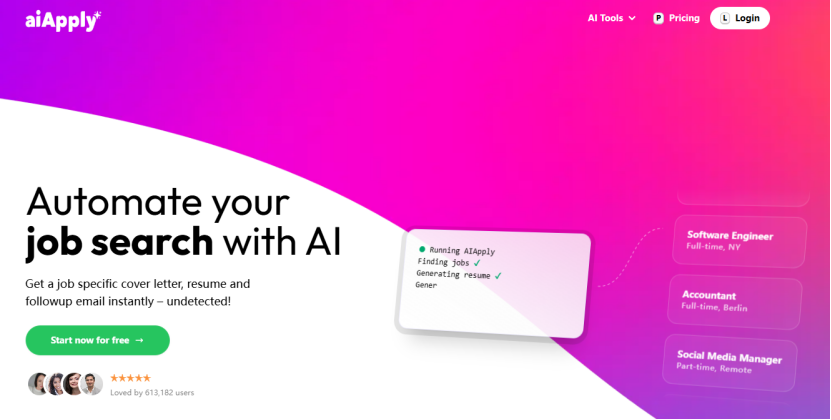
With aiApply, it didn’t just autofill my applications; it also generated personalized cover letters and could even message hiring managers on my behalf.
I tried a batch application run, and it submitted over 100 applications in a single day. I still kept a close eye on where my resume went (because I believe in staying strategic), but wow—what a time-saver.
Perfecting Your Resume with AI
Resume Writers That Do the Heavy Lifting
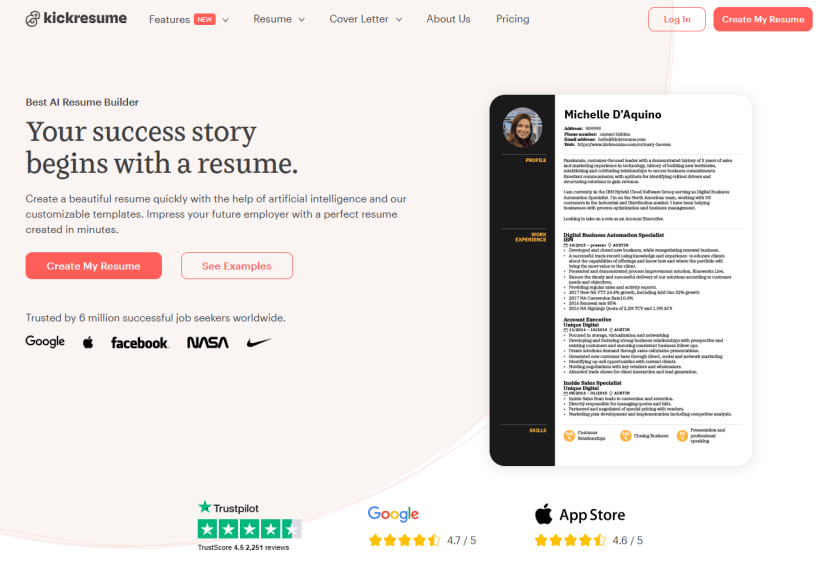
Crafting a strong resume is an art—and let’s be honest, not everyone’s an artist. I experimented with Kickresume’s AI Resume Writer, which uses GPT technology to generate content based on your job title. It created solid, role-specific bullet points that I could edit or build on easily.
Optimization Tools That Get You Past ATS
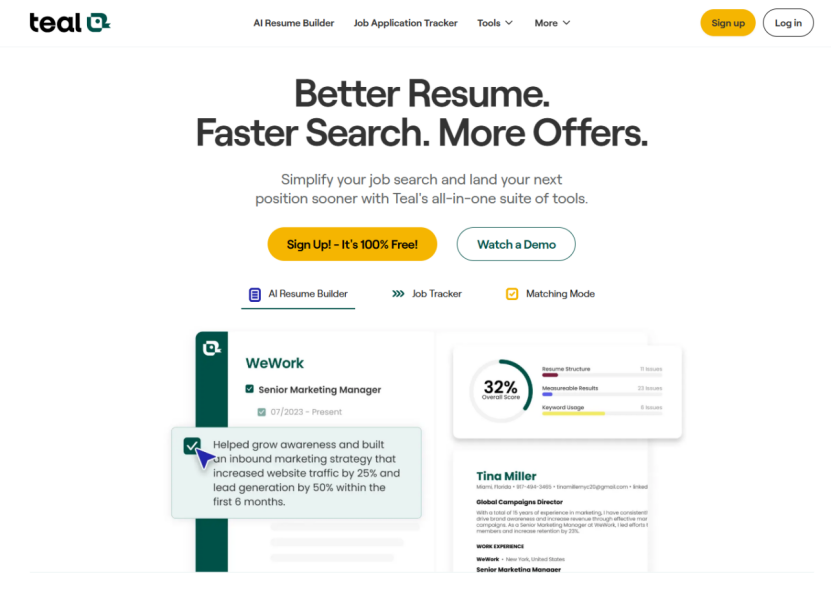
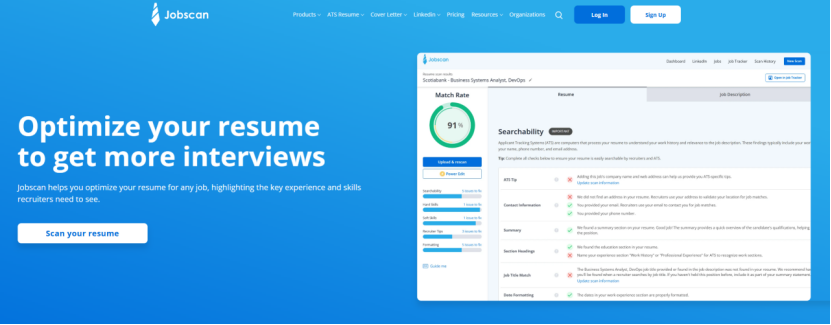
Now here’s something I didn’t fully appreciate until I tried it: most resumes never even reach a human. They get filtered by something called an ATS (Applicant Tracking System). That’s why I started using tools like Teal and Jobscan.
Teal was amazing, it let me upload job descriptions and compare them directly with my resume, giving me a match score and showing what keywords I was missing. I even used its Chrome extension to bookmark jobs across platforms.
With Jobscan, I could mimic how ATS systems scan resumes. It gave me tips on formatting, suggested missing hard and soft skills, and even helped adjust my resume to bump up my keyword match score. I usually aim for at least 75% match now before hitting “submit”.
My personal suggestion is that you can try the above two tools personally, and find the right one for yourself.
Excelling in Interviews with AI Assistance
Interview Practice That Feels Real
I’ll be honest, interviews used to freak me out. So I was super intrigued when I tried Final Round AI, a tool that simulates job interviews based on your specific role or industry. It even comes with an “interview Copilot” that offers real-time response suggestions during interviews.
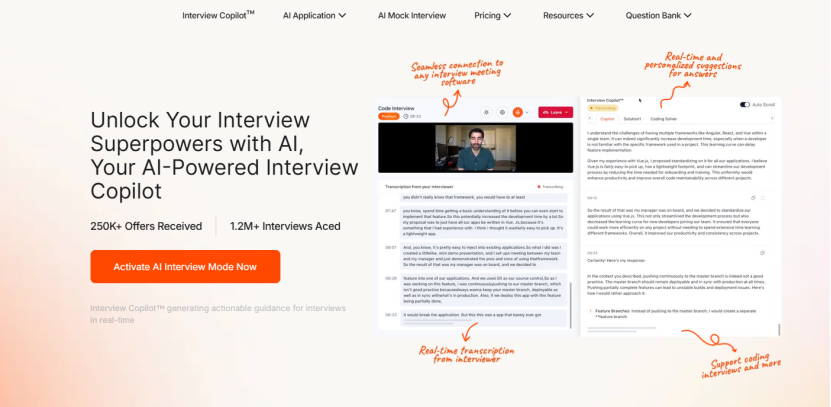
I used it to practice for a marketing specialist role I was targeting, and the mock questions felt incredibly tailored. It’s like having a private coach that knows what recruiters might ask. While I wouldn’t recommend reading AI-generated answers word-for-word during a live interview (trust me, it’ll sound weird), the prep aspect is solid.
Real-Time Feedback on Communication
Another tool I used is Yoodli, it gave me live feedback on my speech, like telling me when I said “um” too much or spoke too fast. It even tracked my progress over time, which helped boost my confidence and sharpen my delivery. This was especially helpful since I wanted to polish my communication for both interviews and networking events.
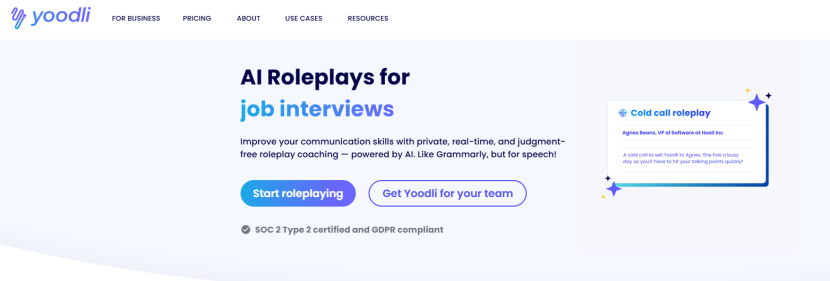
If you’re nervous about interviews or struggle with screen presence, Yoodli is a great place to start practicing in a low-pressure environment.
Staying Organized with AI-Enhanced Tools
When you’re applying to 20+ jobs a week, organization becomes a must. That’s why I fell in love with Notion. I use their free job tracking template, and it’s become my job search command center. It tracks every application, status, recruiter conversation, company notes, and even prep material for interviews.
I can’t tell you how many times it saved me from mixing up roles or forgetting what I said in a previous call. Plus, Notion has templates for everything, so whether you’re managing finances or preparing a career pivot, it’s all in one place.
Embracing AI as a Job Search Ally
Using AI tools for job seeking isn’t about cutting corners, it’s about working smarter. Whether it’s automating applications, optimizing resumes, or practicing interviews, the right AI tools can help you hunt jobs more efficiently and effectively.
Here are a few final thoughts from my journey:
- Try multiple tools, what works for one person may not work for another.
- Don’t be afraid to experiment. Many tools I tried were free or had free trial.
- Tell your story, your way. AI can write for you, but only you can speak from the heart.
At the end of the day, job searching will always involve effort and a bit of luck. But now, with AI by our side, we have more power and precision than ever before. So go ahead, embrace the future of job hunting. You’ve got this.
Bonus Tip: Using ChatGPT as our Job Hunting Assistant
If you are also a big fan of ChatGPT like me, here are a few things that you can do with Chatgpt during the job seeking process.
- Using detailed role-specific prompts to get deeper insights for company research.
- Using Chatgpt for writing cover letter step by step. You can break it into three parts: hook paragraph, body paragraph and closing paragraph.
- Using Chatgpt for optimizing your resume as bullet points. For example, use the XYZ formula: “I accomplished X by doing Y, resulting in Z.”
- Using Chatgpt for generating industry-based resume recommendations. For example, you can provide ChatGPT with a resume, job description, and ask for expert advice and suggestions instantly.